Ever wondered how much you can trust online reviews when researching businesses, products, or services? Many businesses are in fierce competition for better reviews, search engine positions, AI recommendations, and star ratings, but some “bad actors” use unethical tactics. They might write fake positive reviews to boost their own ratings, or post fake negative ones to harm competitors. Scammers also use fake reviews to extort money from companies. Additionally, personal grudges, jealousy, or disgruntled employees can lead to unfair and biased reviews aimed at hurting businesses.
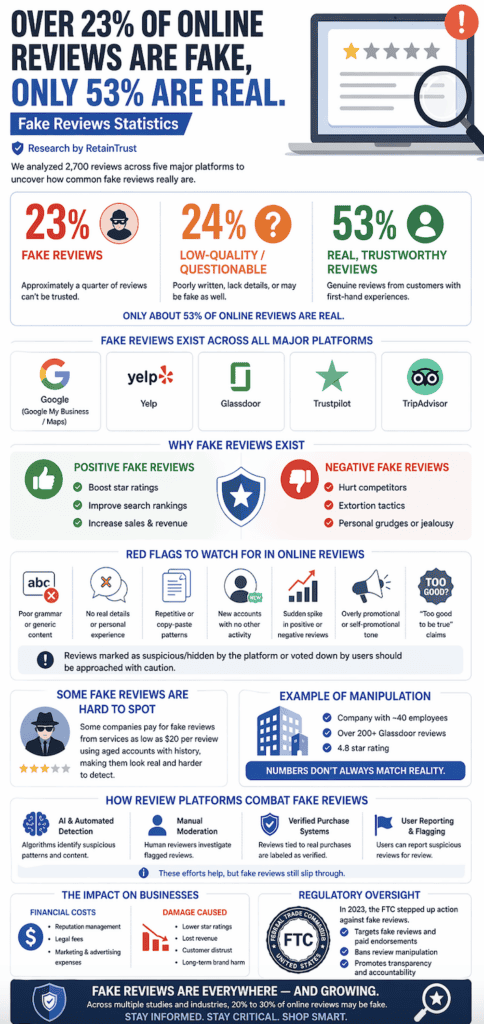
Exposing Fake Reviews. How Common Are They Really?
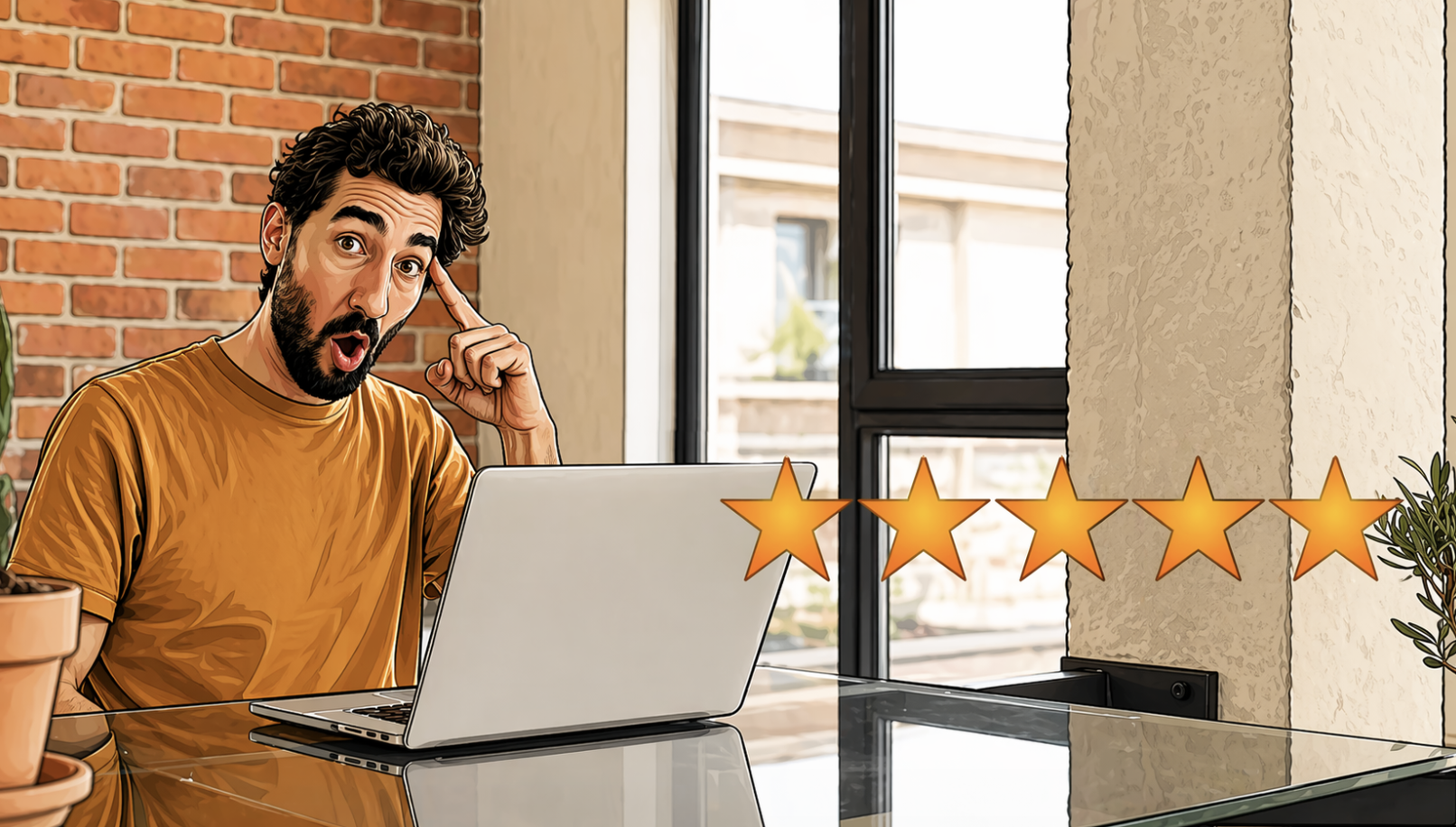
To tackle the issue of fake and fraudulent reviews, we conducted a research study that reveals concerning findings, 23% of online reviews are fake. Another 24% are likely genuine but poorly written, which can still mislead consumers, and some could be fake as well. For example, some reviews only have star rating (positive or negative) but no content, it is hard to determine if they are real unless they came from established accounts. Only 53% of the reviews we analyzed are genuinely real from customers who had personal first hand experiences with the businesses, product or service.
You can access the research here:
“RetainTrust’s research on reviews from Google, Yelp, Glassdoor, Trustpilot, and TripAdvisor found that over 23% of reviews are likely fake. Another 24% were poorly written or lacked genuine details. Only 53% of reviews were authentic and useful to readers.” – Read full research analysis.
Over 23% of Online Reviews are Fake
The research reveals that more than 23% of online reviews, approximately a quarter, can’t be trusted.
To come up with this number we analyzed five major platforms, Google (Google My Business or Google Maps), Yelp, Glassdoor, Trustpilot, and TripAdvisor and read 2700 reviews.
Those fake reviews were identified through various indicators such as, poor grammar or lack of real genuine details about experience. Some reviews showed repetitive patterns, copy and paste reviews, generic language, written by AI or bots, or came from newly created accounts with no other activity. An abrupt surge in either positive or negative reviews over a short perioud of time also signaled potential manipulations. Positive reviews often had overly self promotional content or professional language, aimed at boosting star ratings, while negative ones aimed to lower rankings without offering critique, first hand knowledge or insights. Additionally, some many reviews flagged by platforms as suspicious or hidden, that show that platforms have filtering systems in place but they can’t catch all “bad players”.
Only About 53% of Online Reviews Are Real
Our research uncovered that just over half, 53%, of online reviews are authentic. These reviews typically offer first hand experiences of interacting with business or purchasing a product or service. They are well written, often accompanied by order or transaction confirmations by the network as well, come from established accounts, and provide genuine feedback.
The Role of Consumer Caution in Trusting Online Reviews
With over 23% fake reviews and only half real ones, consumers must be cautious when relying on online reviews to make purchasing decisions. While reviews can provide valuable insights into products or services, the prevalence of fake and misleading reviews creates confusion and lead to creating unpleasant shopping experiences. Consumers should look beyond star ratings and carefully examine into the content of reviews, assessing factors like the reviewer credibility, genuine experiences, consistency across multiple sources, and lack of “red flags” like self promotion or bot generated content.
Red Flags Consumers Should Watch for in Online Reviews
When researching online reviews about businesses, products, or services to make purchasing decisions, consumers should be on the lookout for common “red flags” that may indicate fake or fraudulent feedback. Reviews that are poorly written with many grammar mistakes often lack genuine details and/or personal experiences. Reviews that follow repetitive patterns or seem to come from bots or AI-generated content should also raise suspicion. Additionally, reviews from not established new accounts with no other activity are often less trustworthy.
Another sign of fake reviews is sudden influx of number of positive or negative reviews in a short period of time, which can suggest some sort of manipulation. Positive reviews that read like self promotion and seem intended to boost company or product star ratings, as well as negative reviews designed to lower rankings without providing specific information, are also suspect to be fake. In addition, reviews marked by the network as suspicious or hidden, or voted down by other users, are likely to be inauthentic and should be approached with caution. And last, check if the information is “too good to be true”, it is likely another indicator of false advertisement.
Some Fake Reviews Are Hard to Spot, Uncovering Hidden Deception
Sometimes it can be hard to spot fake reviews, even for experienced shoppers. Especially when some businesses are experts at creating fake positive reviews operations to boost their ratings and sales. Have you ever wondered how a company can have thousands of glowing reviews and perfect ratings, yet you, and everyone you know, like your family, or friends have had terrible experiences with their products or services? These companies often buy fake positive reviews in bulk.
Example of “Service” that Writes Fake Reviews:
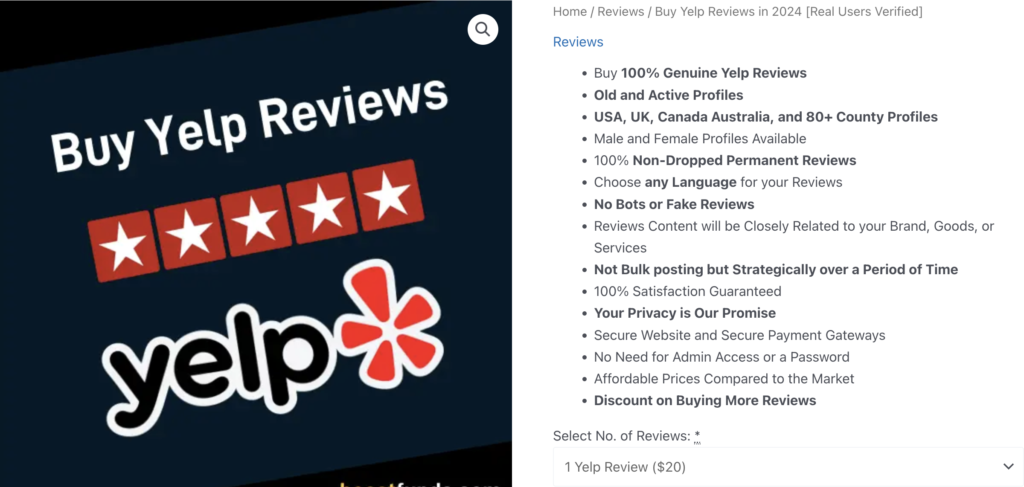
This “service” appeared by simply searching on Google. You think they operate on “dark web”, but no, they offer fake review services for as little for $20 per review right on networks like Reddit, Quora and can be found on search engines. Also, as the ad says, they post from old and established accounts in the US, UK, Australia and other countries, making it hard to spot for consumers.
Examples of Elaborate Fake Review Schemes to Artificially Boost Ratings
Identifying these “bad actors” takes knowledge and experience. For example, early in my career, I once worked for a company that mistreated employees, failed to deliver on promises, terminated people without paying their final checks, created a toxic office environment, and ignored payments obligations to contractors and vendors. Still, this company has over 200 positive reviews on Glassdoor with a 4.8 star average rating. Upon closer inspection, you might find on Linkedin or services like Zoominfo that the company only employs 40 people, making it impossible to have that many employee reviews. The few negative real reviews mentioned and “screamed for help” because of toxic environment I described and experienced, but they were drowned out and overshadowed by fraudulent positive ones. The founder, well known for his narcissistic tendencies (even outside work) and intolerance of any form of criticism, is running a well organized operation to create fake accounts, build their credibility, and then later use them to write positive reviews for himself across various platforms. In fact, the way to spot his own reviews, you should read carefully and notice how each and every review praise the leadership and the Founder & CEO (means him).
This example shows how some business owners conduct elaborate fake review schemes to artificially boost their own ratings.
How Review Networks Combat Fake Reviews
Online review networks deploy manual and automated systems to block and filter out fake submissions. Despite these efforts, large number of fraudulent reviews slip through. People who submit fake reviews use clever strategies to evade detection.
In my opinion, niche networks focusing on specific industries tend to be more effective. For example, Capterra and G2 software review platforms require reviewers to verify their identity using work emails, ensuring they are actual users. On many travel and restaurant booking sites reviews are allowed only after a transaction or booking is completed, ensuring the reviewer has real experience.
Shopping sites allow reviews to be posted after a verified purchase, reducing the chances of fake reviews. But fraudsters found ways to cheat the system there too, “bad actors” might make hundreds or even thousands of small purchases, it called Brushing Scams. This allows them to post numerous fake reviews, artificially inflating rankings and misleading future customers into buying products that do not meet expectations.
Filtering systems is another way, when networks hide questionable reviews. Yelp utilizes a filtering system to hide potential fake reviews. However, this sometimes results in legitimate reviews being buried and frustrating real users.
Review networks collaborate with technologies and software providers to help businesses monitor and manage their reviews and reputation. These tools can detect suspicious patterns and flag potential fake reviews.
Almost all review networks allow business owners and community members to flag and report fake, fraudulent, or questionable reviews. However, this system places significant responsibility on businesses to monitor their reviews, which can be overwhelming and not effective.
The fight against fake reviews is an ongoing “cat and mouse” game. As review networks develop new ways to combat fraud, bad actors continuously find new methods to submit fake reviews.
The Impact of Fake Reviews on Business Economics
Combating fake reviews comes at a high price and often causes disruption for businesses. When fake reviews appear or to prevent them, resources must be diverted to reputation management. This can involve internal teams or hiring professional services to monitor, remove, and respond to fraudulent and questionable reviews. In extreme cases, legal advice and fees may also be necessary to combat defamation and extortion.
Also, businesses may need to increase marketing budgets to rebuild loyalty, trust, reputation, and recover revenue. Fake negative reviews can lower company ratings, hurt sales, and lead to customer dissatisfaction and more returns from mistaken purchases, generating even more negative feedback and additional recovery costs.
Role of Regulatory Oversight and Industry Standards
In response to the widespread issue of fake and fraudulent reviews, government agencies worldwide and industry groups are taking stronger actions to regulate how reviews are managed. Some regions have introduced guidelines aimed at ensuring reviews are transparent, real, and genuine. Collaborations within industries are also emerging to uphold fair standards and protect consumer trust.
For instance, in 2023, the Federal Trade Commission (FTC) proposed new regulations to crack down on deceptive review practices. These rules target marketers who use fake reviews, suppress honest negative feedback, or pay for positive reviews. Such practices mislead consumers seeking genuine opinions about products or services and undermine ethical businesses. FTC specifically emphasized practices where companies buy and sell positive and negative reviews, suppress reviews, create company controlled review sites, and buy or sell misleading social media indicators.
Additionally, the FTC conducted hearings where various stakeholders, including the Interactive Advertising Bureau, Fake Review Watch, and a coalition of academic researchers addressed their concerns and provided input on the issues raised during the rule making process. Still, challenges remain regarding how these rules will be enforced and who will oversee compliance with them.
Conclusion:
Fake reviews aren’t just a one-off problem, they’re everywhere. What we found lines up with other research across the industry. For example, studies show that around 30% of online reviews may be fake, another academic research estimates numbers in a similar range, about 20–30% depending on the data. Some conservative reports still suggest at least 10–15% of reviews are not real.