
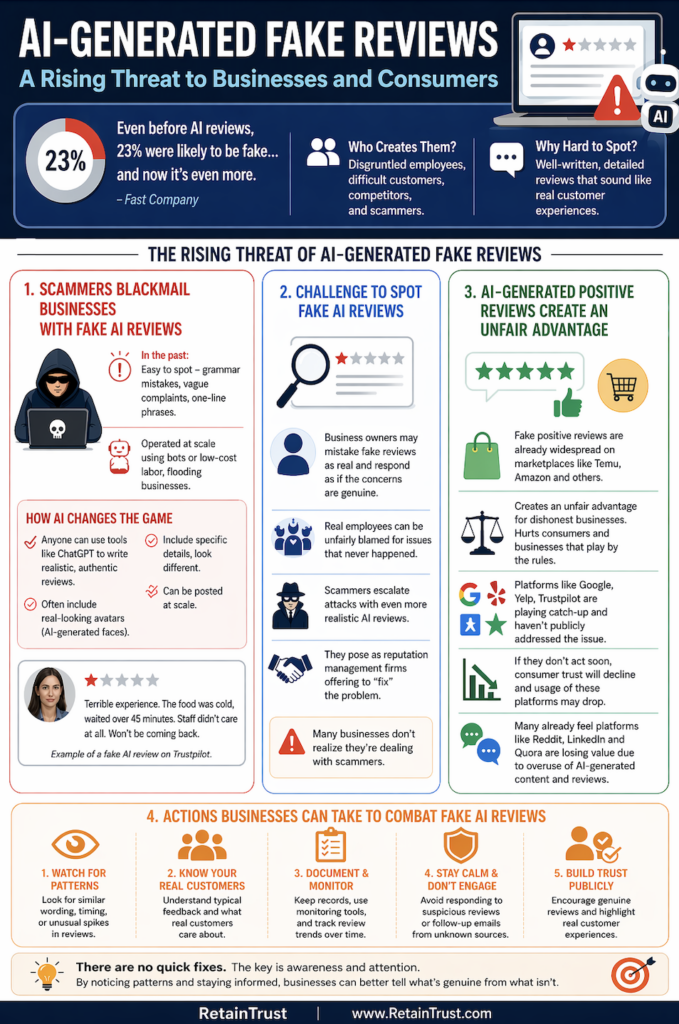
Fake reviews have been a long major issue in digital marketing, whether it’s fake positives inflating a brand’s ratings and misleading consumers or fake negatives from disgruntled employees, competitors, or scammers trying to blackmail businesses. Our research uncovered that even before AI reviews, 23% were likely to be fake… and as Fast Company reported, now it’s even more fake AI reviews and it’s getting out of hand.
Disgruntled employees, difficult customers, or competitors normally pose a real threat because their reviews are often well written in a way that makes them look real. These aren’t your typical spammy, bot generated posts… as they sound like real customer experiences, complaints, making them hard to spot.
Scammers Blackmail Businesses with Fake AI Reviews
On the other side, scammers who often try to blackmail businesses, have been much easier to spot. In the past it was reviews with grammar mistakes, vague complaints that don’t make any sense, or generic one line phrases like “bad customer service” or “I wouldn’t recommend”. Their strategy often simple, they operate at scale by using bots or hiring low wage workers in third world countries, flood businesses with tons of fake reviews, and hope some will respond and pay to stop the attacks. In fact, businesses that ignored these threats often found that the scammers quickly moved on to other targets, that’s why it was advised not to reply to fake reviews or follow up emails.
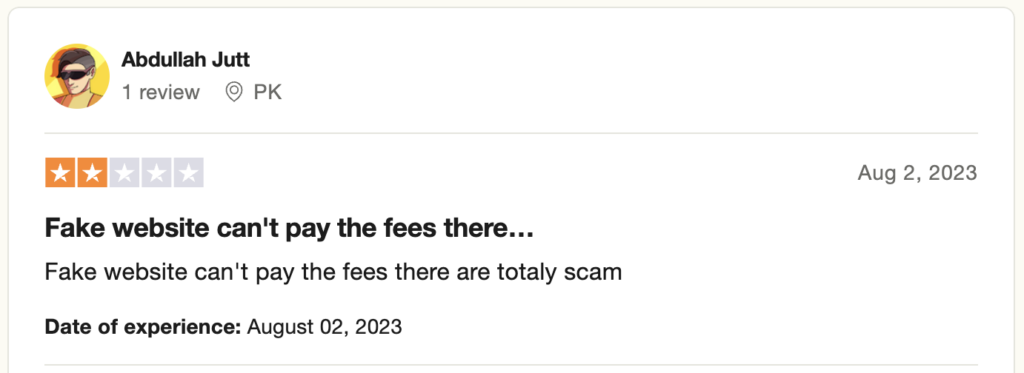
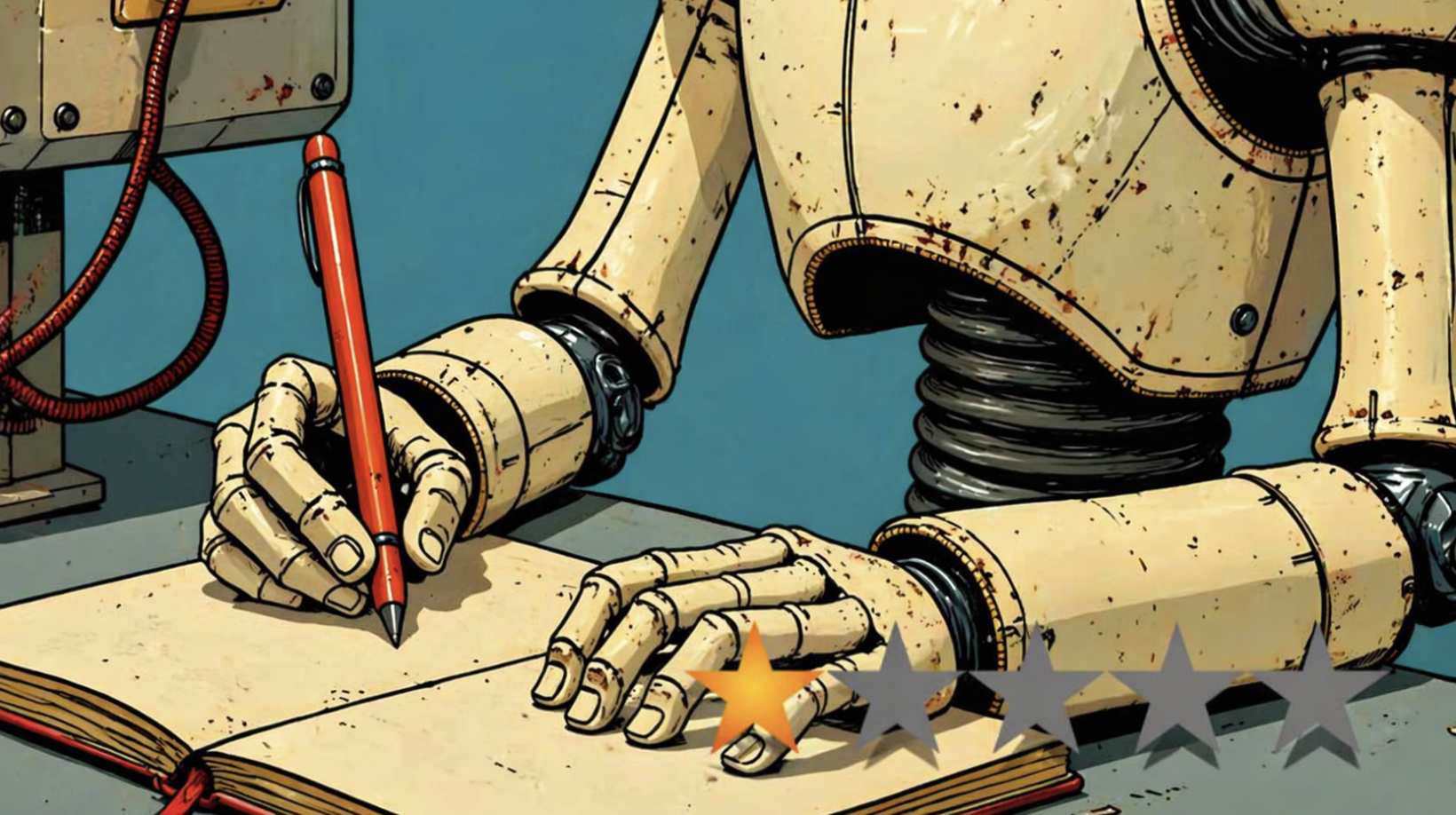
However, AI has changed the game. Now anyone can use ChatGPT to generate fake reviews that look and sound realistic and authentic, include specific details, look different, and it can be posted at scale causing real damage to a company’s reputation. Those reviews even have an avatar with a real photo, often AI generated face that look just like a real customer.
Challenge to Spot Fake AI Reviews
Business owners often fail to recognize when reviews are AI-generated and respond as though the concerns are genuine. That can have real consequences on the ground, imagine a chef or front desk employee being held accountable for poor food or service described in a review that no actual customer ever experienced, but was instead fabricated by AI.
This opens more doors for scammers to get responses from concerned businesses, escalate their attacks with even more “realistic” AI generated fake reviews, and then pose as reputation management firms offering to “fix” the problem. Even at this stage, some business owners might not realize that they’ve been dealing with scammers, still believing they are hiring a reputable firm to handle and respond to real customer complaints.
The Rise of AI-Generated Positive Reviews Creates An Unfair Advantage in Online Marketplaces
It’s not just fake negatives that are a problem, AI-generated positive reviews already dominating marketplaces as well. It’s been reported that many reviews on platforms like Temu are fake and / or AI generated, same with Amazon where Reddit users spot fake AI reviews at scale. It creates unfair advantage for businesses that create and post those fake positive AI reviews, while hurting consumers and businesses that play by the rules.
Review platforms like Google My Business, Yelp, Trustpilot and others are still playing catch-up and haven’t publicly addressed the issue. However, if they don’t act soon, they risk becoming irrelevant as AI generated reviews will damage consumer trust and people might visit those platforms less and less. In fact, many reported that platforms like Reddit, Linkedin and Quora already becoming irrelevant due to overuse of AI generated content like reviews or advices from so called “experts”.
Actions Businesses Can Take To Combat Fake AI Reviews
Dealing with fake AI reviews is less about quick fixes and more about paying attention. Instead of focusing on one review at a time, it helps to notice patterns similar wording, timing, or feedback that doesn’t match real customer experiences. Over time, being aware becomes the most reliable way to separate what’s genuine from what isn’t.